To provide quality, student-centred education that combines academic knowledge, practical learning and research, preparing students with the skills and professional competence required for successful careers.
To provide a modern and internationally oriented learning environment that supports academic excellence, innovation, research and the professional development of students.
Education at Kyrgyz State University combines strong academic foundations with practical learning, modern teaching methods and research-based education, helping students develop the knowledge and skills needed for their future professions.
Year
Kyrgyz State University began its academic journey in 1945 as the Kyrgyz Women’s Pedagogical College, laying the foundation for decades of teacher education and higher learning.
Year
The institution developed into the V. V. Mayakovsky Kyrgyz Women’s Pedagogical Institute, expanding its role in higher education and professional teacher training.
Year
Academic development continued with the establishment of new specialised educational units, including the International Languages and Cultures Institute, strengthening the university’s multidisciplinary approach.
Year
KSU strengthened its international partnerships through new academic agreements, including cooperation with universities in China and South Korea for research, student exchange and faculty collaboration.
Year
Kyrgyz State University named after I. Arabaev marked its 80th anniversary, celebrating eight decades of education, research and contribution to higher education in Kyrgyzstan.
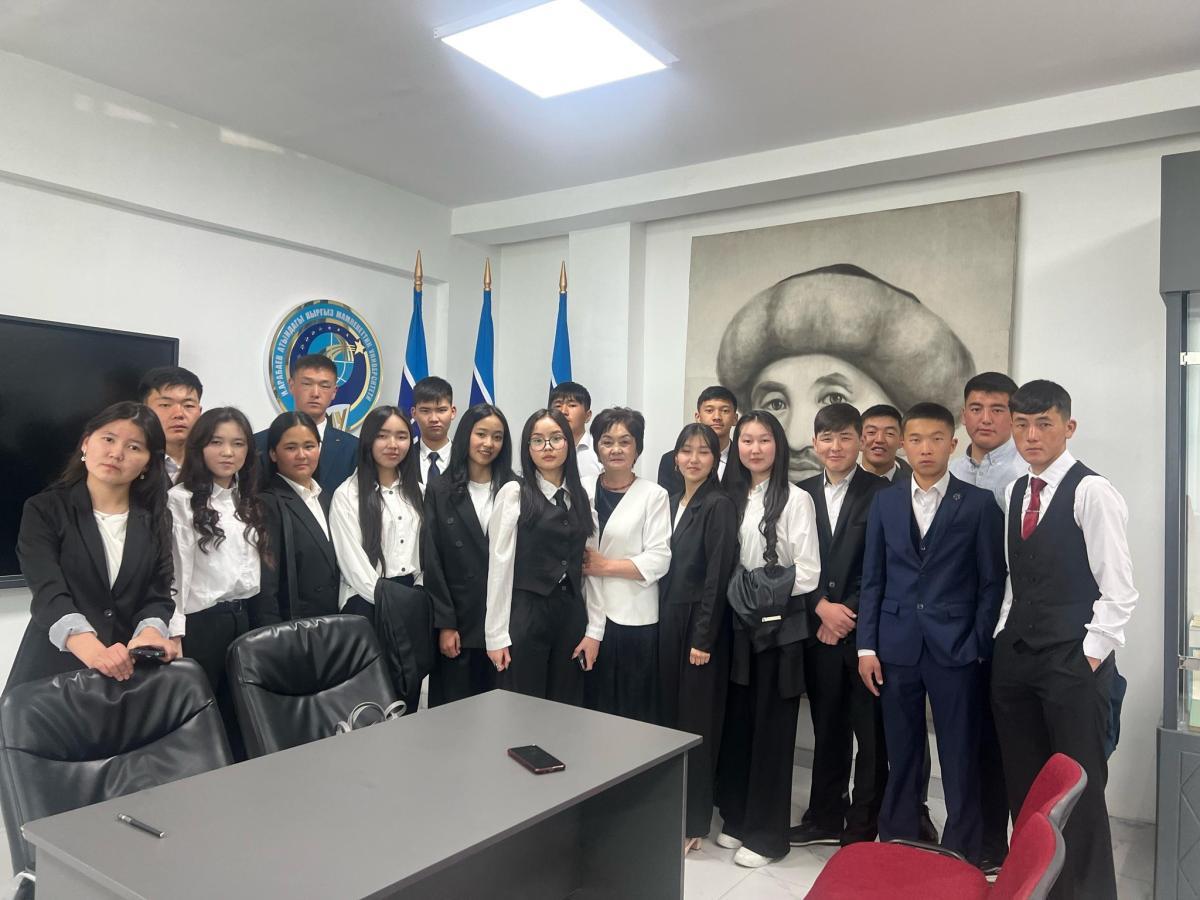
Kyrgyz State University (KSU) was established in 1944 and is located in Bishkek, Kyrgyzstan. With more than eight decades of academic experience, the university provides a modern learning environment supported by experienced faculty and a student-centred approach to education.
The university offers educational opportunities across areas including medicine, science, business, technology, Japanese studies, economics and management. Its academic approach combines theoretical knowledge with practical learning, research and skill development.
KSU aims to prepare students for professional careers through modern teaching methods, practical exposure and an academic environment designed to encourage learning, innovation and personal development.
80+
Years of Excellence
15000+
Active Students
3500+
International Alumni
Multiple
Academic Faculties & Institutes
At Kyrgyz State University, academic education is supported by practical learning, modern facilities and research-oriented teaching. The university aims to create an environment where students can develop both academic knowledge and professional skills.
The university follows a student-centred approach designed to support academic development, strengthen subject knowledge and prepare students for their future professions.
Practical education complements classroom learning, helping students develop skills through hands-on training and real-world academic experiences.
Research and innovation form part of the university's learning environment, encouraging students to explore ideas, participate in academic projects and develop problem-solving skills.
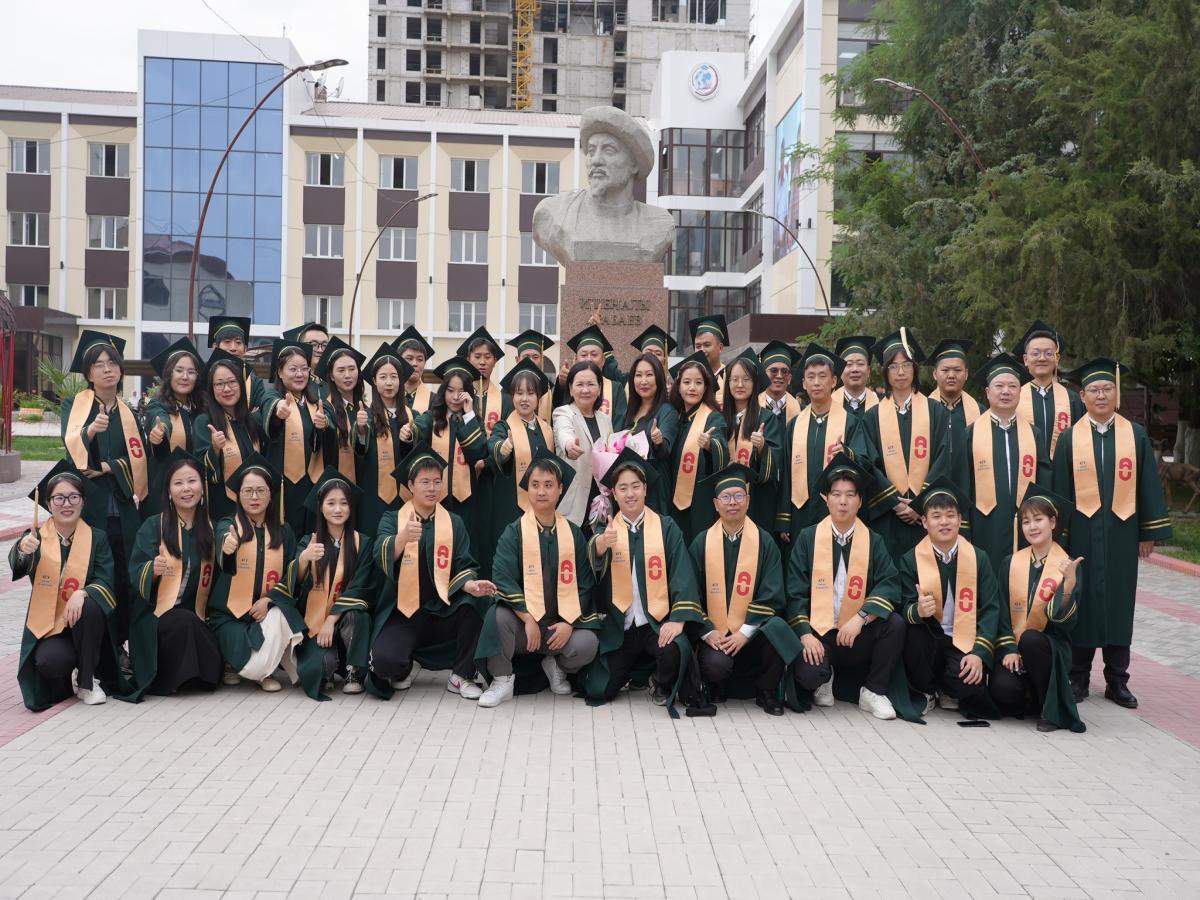
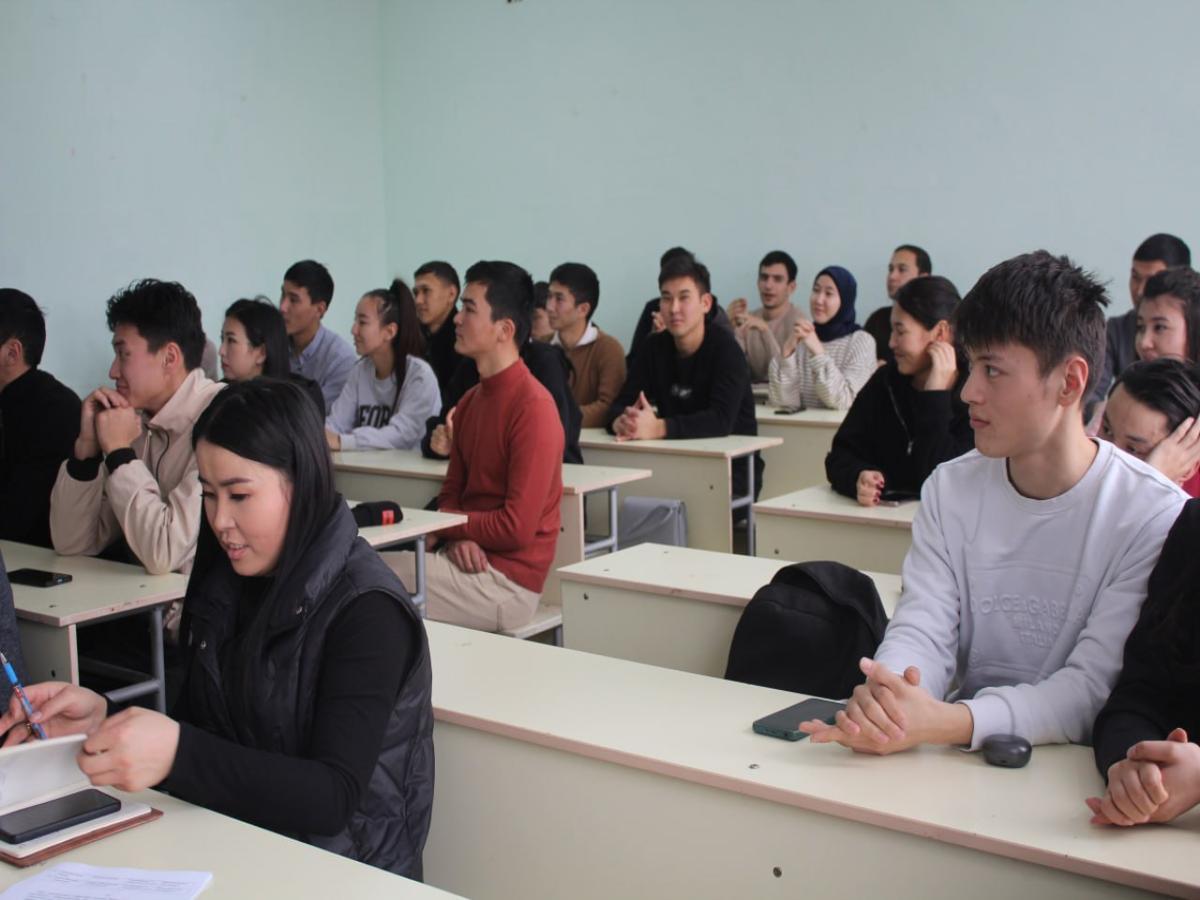
Student life at Kyrgyz State University extends beyond classroom learning. The university environment encourages students to participate in academic activities, interact with a diverse student community and develop skills alongside their formal education.
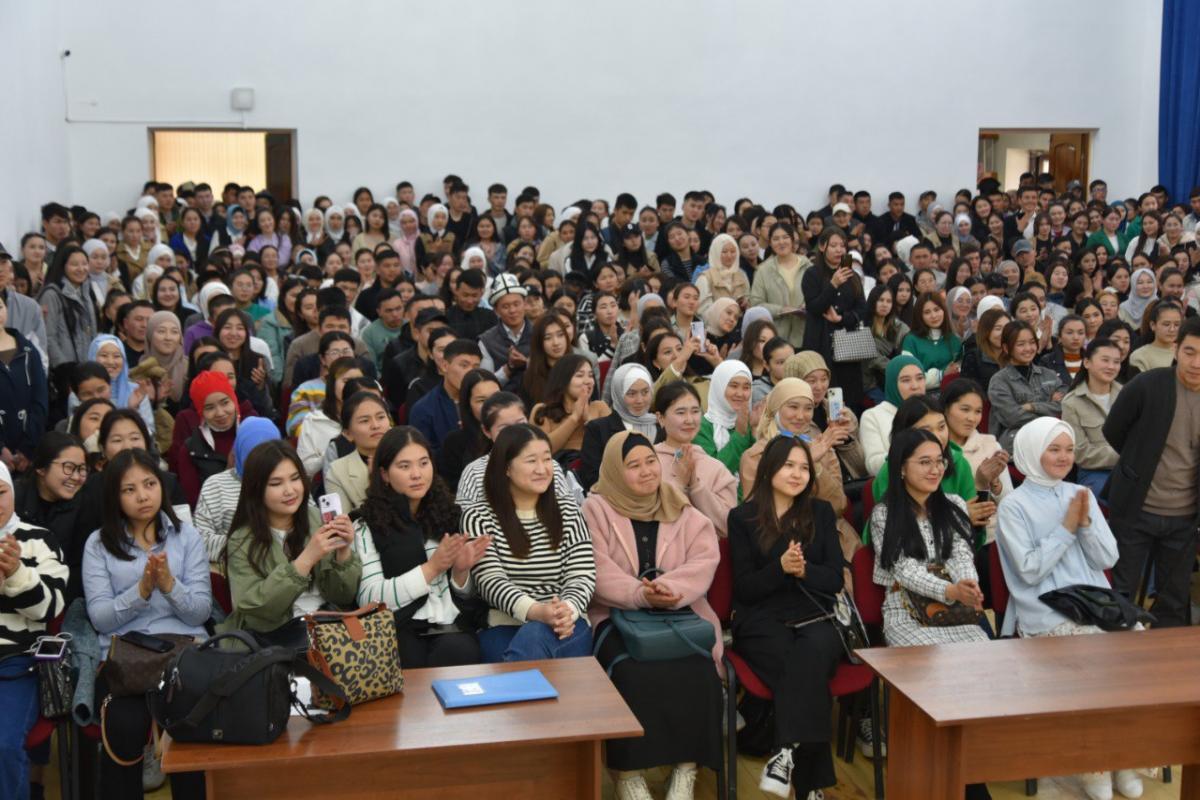
Students study in an environment that encourages interaction, collaboration and academic exchange with classmates from different backgrounds.
Academic activities and practical learning opportunities help students strengthen communication, teamwork and professional skills.
The university's student-centred approach is designed to create an environment where students can focus on academic progress and personal development.
Kyrgyz State University combines academic education with practical learning and professional skill development, helping students build the knowledge and capabilities required for their future careers.
Hands-on learning and modern educational facilities allow students to strengthen practical skills alongside theoretical knowledge.
Academic programs are designed to develop subject knowledge, critical thinking and professional competencies relevant to students' chosen fields.
The university provides an internationally oriented educational environment and offers programs intended to prepare students for professional opportunities in an increasingly global setting.
© Copyright by Kyrgyz State University